
Float Steam Trap Station: Components, Operation and Benefits
See the components of steam trap stations that combine a float trap with isolating valves and connectors in one unit, how they work and how they simplify maintenance.
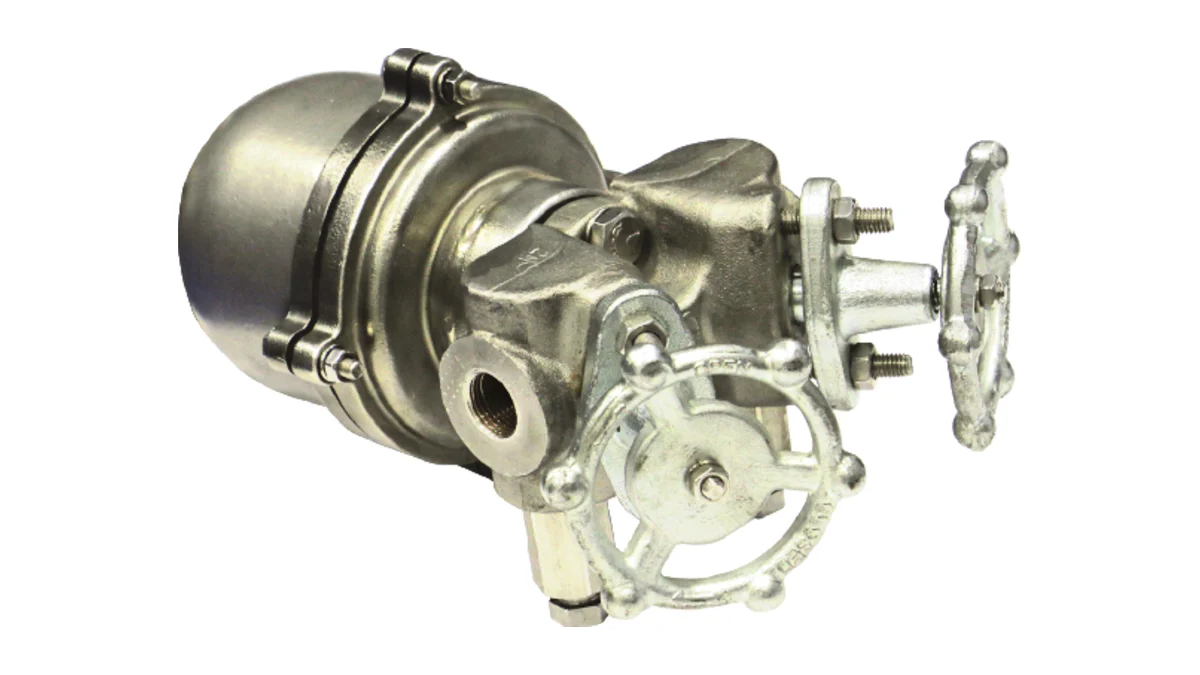
Removing condensate is a basic requirement for efficient and safe operation of industrial steam systems. Float steam traps do this by discharging condensate continuously as it forms. A float steam trap station brings the float trap together with isolating valves and connectors in a single unit, an integrated solution that makes installation and maintenance easier.
This article covers the components of a trap station, the operating principle of a float trap, the benefits of using a station and typical applications.
Components of a Float Steam Trap Station
- Float steam trap: The main element, discharging condensate continuously.
- Isolating valves: Valves at the trap inlet and outlet used to isolate it from the system, usually of the piston type.
- Pipe connector: The connecting piece between the trap and the pipework.
- Test and drain valves (optional): Used to drain the pipework and test trap operation.
How Does a Float Steam Trap Work?
Float traps work on the principle that condensate is much denser than steam:
- Condensate collects: Condensate formed as steam is used fills the trap body.
- Float moves: The collecting condensate lifts the float.
- Valve opens: Through its linkage, the float opens the discharge valve.
- Continuous discharge: The float adjusts its position as condensate arrives, opening or throttling the valve to match the flow. When the flow falls, the float drops and the valve closes, so no steam escapes.
Benefits of Using a Station
- Efficient condensate removal: The float trap discharges condensate continuously and maintains heat transfer.
- System protection: Effective drainage reduces the risk of corrosion and water hammer damage in pipes and equipment.
- Easy installation: The trap and valves arrive as one unit, so there are fewer joints and fewer potential leak points.
- Easy maintenance: Isolating valves allow the trap to be isolated from the rest of the installation for service or replacement.
- Flexibility: Available in a range of sizes and connection options.
Applications
- Drying units
- Pressing units
- Steam jackets
- Steam irons
- Heat exchangers
- Steam lines
Frequently Asked Questions
How does a trap station differ from a standalone steam trap?
A station supplies the trap together with isolating valves and connectors as one unit, simplifying installation and allowing the trap to be serviced without affecting the rest of the installation.
Why are piston valves used in stations?
Piston valves provide good tightness on steam service and allow the trap to be isolated safely during maintenance.
What is the test valve for?
It lets you observe the trap discharge to confirm that condensate is being removed and check for steam leakage, and to drain the pipework when needed.
Conclusion
Float steam trap stations combine continuous condensate discharge with easy installation and maintenance, providing efficient condensate management in steam systems. A correctly selected station saves energy and extends equipment life. See all options in our steam trap stations product group.
Buy steam traps online
Browse products on or-fa.com, our export store, see prices in USD and order online.
Buy Online →Request a QuoteAsk on WhatsAppRelated product group
Steam Trap Stations →Technical support
Talk to our team to choose the right product.
+90 224 444 67 32[email protected]
Related Articles
Let’s choose the right product for your project
Buy from our online store or request a project-specific quotation.