
What Does a Pool Pump Do? Functions, Selection and Maintenance
The pool pump is the heart of the system that keeps pool water clean and hygienic by circulating it through the filter. Here is what it does, how to choose one and how to look after it.
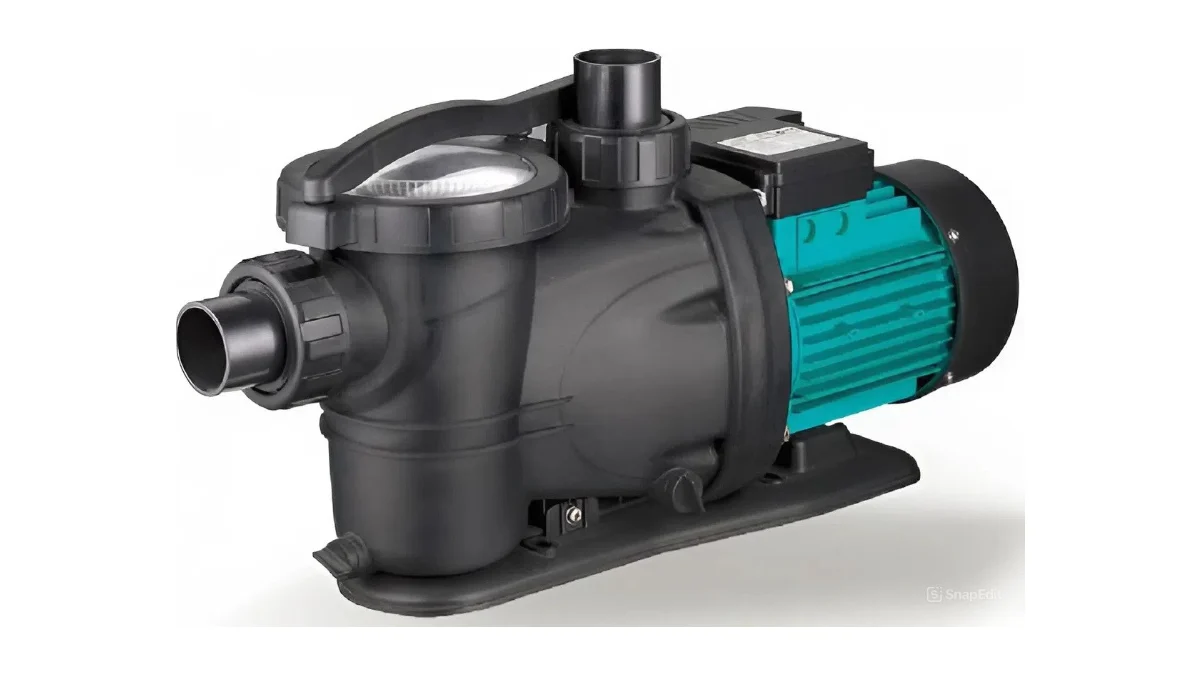
Keeping a swimming pool clean, clear and healthy depends on managing filtration, disinfection and water chemistry together. At the heart of this system is the pool pump. Just as the heart circulates blood through the body, the pool pump draws water from the pool, passes it through the filter and other equipment, and returns it to the pool.
In this article you will find what a pool pump does, how to choose the right one and maintenance tips for a long service life.
What a Pool Pump Does
Water Circulation
The pump draws water through the skimmers and the main drain, sends it through the filter and returns it to the pool via the inlet nozzles. Regular circulation ensures similar water quality throughout the pool and reduces stagnant zones.
Filtration
Leaves, dust, hair and other suspended matter are trapped in the filter. The filter can only do its job when the pump passes water through it continuously and at an adequate flow rate, so pump and filter capacity must be matched.
Distributing Disinfectants and Chemicals
The pump does not add chlorine or other disinfectants itself, but the circulation it provides mixes the dosed chemicals evenly into the water. This makes the chemicals more effective and avoids overuse.
Supporting the Fight Against Bacteria and Algae
Correct disinfection and water chemistry are what actually prevent bacteria and algae. The pump helps these measures work by providing regular circulation and filtration. Algae and cloudiness develop more easily in pools with poor circulation.
Working With Heating Systems
In heated pools, the pump moves water through the heat pump, heat exchanger or heater. When the pump stops, heat transfer stops too.
How to Choose a Pool Pump
- Pool volume and turnover time: Turnover time is the time it takes for the entire pool volume to pass through the filter once. The required flow rate is the pool volume divided by the turnover time. For example, a 60 m³ pool with a 6-hour turnover needs about 10 m³/h. Turnover time depends on pool type and bather load; public pools must comply with the applicable regulations.
- Head: The pump must overcome the total pressure loss in the filter, heater, pipework and valves.
- Filter match: The pump flow must not exceed the filter’s maximum permitted flow; excessive flow reduces filtration quality.
- Energy efficiency: Variable speed models can run at low speed for filtration and high speed for backwashing or cleaning, cutting energy use considerably.
- Durability: The casing material must resist corrosion from chlorinated and salt water.
- Ease of maintenance: A pre-filter (hair and lint) basket with a transparent lid shows at a glance when cleaning is needed.
Maintenance Tips
- Clean the pre-filter basket regularly; a full basket reduces flow and strains the pump.
- Check the pre-filter lid seal; air entering here disrupts the pump’s suction.
- Backwash the filter when its pressure rises.
- Never run the pump dry; the mechanical seal is damaged within a short time.
- In areas with frost risk, drain the pump and pipes for the winter.
| Symptom | Possible cause |
|---|---|
| Reduced flow | Full pre-filter basket, dirty filter, blocked skimmer |
| Air bubbles in the pre-filter | Air leak at the lid seal or suction line, low water level |
| Noisy pump | Suction-side blockage, cavitation or bearing wear |
Frequently Asked Questions
How many hours a day should a pool pump run?
Running time should be set so that the pool water passes through the filter at least once a day, and more often with heavier use. It depends on pool volume, pump flow rate and how the pool is used.
Is a bigger pump better?
No. A pump that exceeds the filter’s capacity reduces filtration quality, increases energy use and stresses the installation. Size the pump according to pool volume, turnover time and the filter.
How often should the pre-filter basket be cleaned?
It depends on usage and surroundings. Check it regularly during the season and clean it as soon as leaves and dirt build up.
Conclusion
The pool pump plays a central role in keeping pool water clean and healthy through circulation, filtration and chemical distribution. Choosing a pump that matches the pool volume, filter and pipework, and maintaining it regularly, improves both water quality and energy efficiency. Browse models of various capacities in our Pool and Spa Pumps product group.
Buy pool pumps online
Browse products on or-fa.com, our export store, see prices in USD and order online.
Buy Online →Request a QuoteAsk on WhatsAppRelated product group
Pool and Spa Pumps →Technical support
Talk to our team to choose the right product.
+90 224 444 67 32[email protected]
Related Articles
Let’s choose the right product for your project
Buy from our online store or request a project-specific quotation.