
High Pressure Valves: Types and API Standards
Learn the types of high pressure valves used on steam, thermal oil and process lines, the API and ASME standards they follow and the key points for selection.
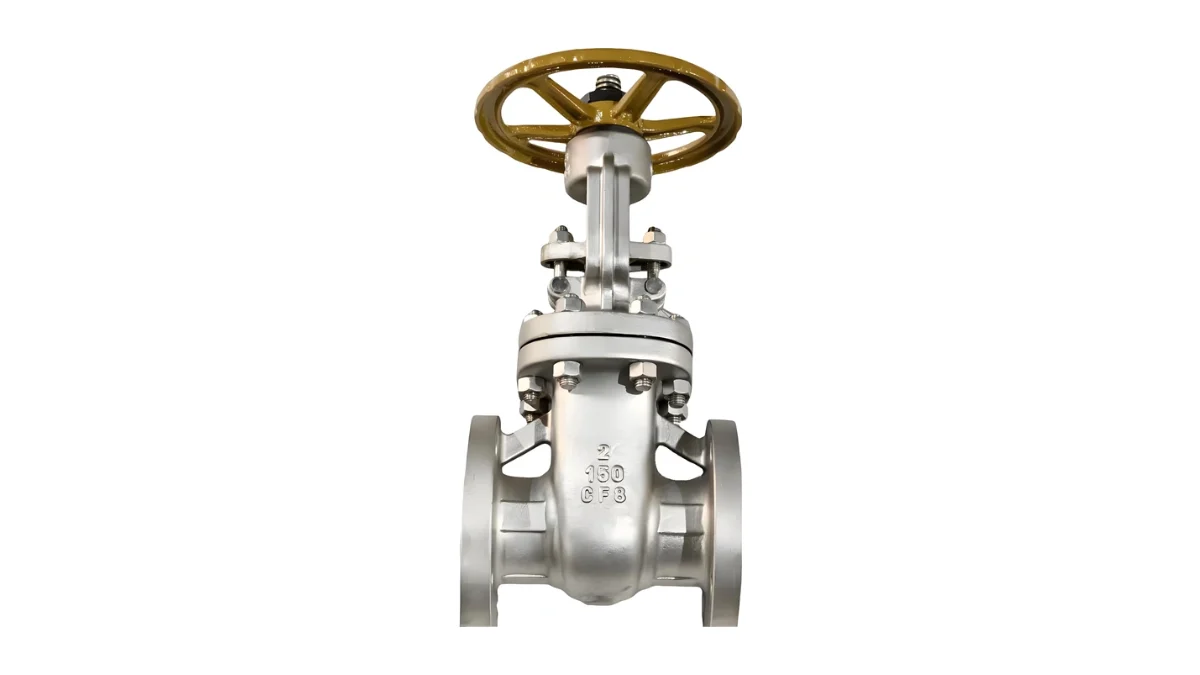
In steam, thermal oil, petrochemical and power plants, valves must withstand high pressure and high temperature at the same time. High pressure valves are heavy-duty valves built with cast steel, forged steel or stainless steel bodies and tested to international design standards for exactly these conditions.
This article explains the types of high pressure valves, the API and ASME standards each type follows and which type is chosen for which duty.
What Is a High Pressure Valve?
High pressure valves are used to isolate, regulate or prevent backflow of steam, hot water, thermal oil, gas and process media, and typically have body ratings of ASME Class 150 and above. Bodies are mostly made of ASTM A216 WCB cast steel, ASTM A105 forged steel, chromium-molybdenum alloy steels for high temperatures, or stainless steel. End connections can be flanged, socket weld, butt weld or threaded.
High Pressure Valves by Type and Standard
| Valve type | Relevant standard | Typical duty |
|---|---|---|
| Cast steel gate valve | API 600 | Full on-off isolation on main lines |
| Forged steel compact gate, globe and check valves | API 602 (DN100 / 4″ and smaller) | Small-bore high pressure and temperature lines, drain and bypass lines |
| Steel globe valve | API 623 | Flow regulation and frequent operation |
| Ball valve | API 6D, ASME B16.34 | Fast, tight shut-off |
| Butterfly valve | API 609 | Compact isolation in large sizes |
| Check valve | API 602 / API 594 (depending on design) | Backflow prevention |
ASME B16.34 is the core standard defining pressure-temperature ratings for flanged, threaded and welding-end valves, while the API standards set the design, material and testing requirements for each valve type.
How Each Valve Type Works
Gate Valves
A wedge moving perpendicular to the flow fully opens or closes the line. Fully open, the bore is unobstructed and pressure loss is low. They should only be used fully open or fully closed, not for throttling.
Globe Valves
Flow is regulated as the disc moves towards or away from the seat. Preferred on steam and thermal oil lines that need flow adjustment and frequent operation. The tortuous flow path gives a higher pressure loss than a gate valve.
Ball Valves
A ported ball rotates 90° to provide fast, tight shut-off. On soft-seated (PTFE etc.) models the temperature limit is set by the seat material; metal-seated designs are used for higher temperatures.
Check Valves
They prevent backflow automatically, protecting pump discharges and equipment against reverse flow and pressure surges. Swing, lift (piston) and dual plate types are available.
Strainers
Not valves, but used alongside them on high pressure lines. They catch weld slag, scale and particles, protecting valve seats, control valves and steam traps.
Butterfly Valves
A compact and economical solution in large sizes. For high pressure and temperature, eccentric (double or triple offset) metal-seated designs are preferred; the temperature limit of elastomer-lined models depends on the liner material.
General Technical Features
- Pressure rating: ASME Class 150, 300, 600 and above; Class 800 and 1500 are common for forged compact valves. In European standards PN16, PN25, PN40, PN63 and above.
- Body material: WCB cast steel, A105 forged steel, Cr-Mo alloys such as F11/F22 for high temperatures, stainless steel.
- Seat and disc: Stellite hard-faced or stainless steel trim against wear; soft-seat options depending on the application.
- Connection: Flanged, socket weld, butt weld or threaded.
- Operation: Handwheel, gearbox, pneumatic or electric actuator.
Applications
- Steam and condensate lines, boiler rooms and heating plants
- Thermal oil systems
- Petrochemical plants and refineries
- Power plants
- Process lines in the food, textile and chemical industries
Frequently Asked Questions
What is the difference between API 600 and API 602 gate valves?
API 600 covers bolted-bonnet cast steel gate valves, typically used in larger sizes. API 602 covers compact forged steel gate, globe and check valves in DN100 (4″) and smaller, designed for small-bore high pressure lines.
Which valve is used for flow regulation on a high pressure line?
Globe valves or control valves are used for flow regulation. Gate valves should only be operated fully open or fully closed.
Are PN and Class pressure ratings the same?
No. PN is the pressure rating designation in European (EN) standards, Class is the ASME designation. The values do not correspond one to one, and in both systems the allowable pressure depends on material and temperature.
Conclusion
High pressure valves are key safety components on steam, thermal oil and process lines. Choosing the right type, standard, material and pressure class directly determines tightness, operating safety and valve life. Explore API-standard gate, globe, ball, butterfly and check valve options in our High Pressure and High Temperature Valves product group.
Buy high pressure valves online
Browse products on or-fa.com, our export store, see prices in USD and order online.
Buy Online →Request a QuoteAsk on WhatsAppRelated product group
High Pressure and High Temperature Valves →Technical support
Talk to our team to choose the right product.
+90 224 444 67 32[email protected]
Related Articles
Let’s choose the right product for your project
Buy from our online store or request a project-specific quotation.