
12V 24V Low Voltage Pumps: Safe, Mobile Liquid Transfer
12V and 24V DC pumps run on a battery or vehicle power supply and provide safe, portable liquid transfer where mains power is not available. Learn where they are used and how to choose one.
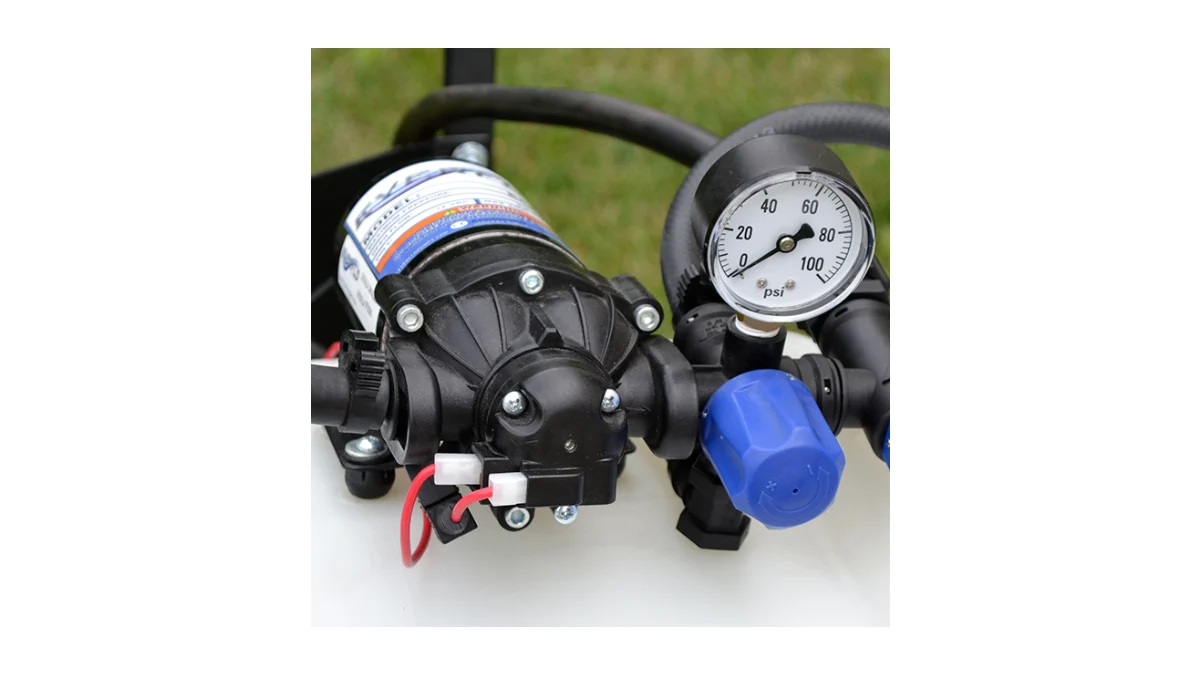
In caravans, boats, agricultural machinery and field work, liquids often have to be transferred where there is no mains power. 12V 24V low voltage pumps run on batteries, a vehicle’s electrical system or solar battery systems, offering a safe and portable solution.
This article explains what low voltage DC pumps are, where they are used, their key technical features and what to consider when choosing the right model.
What Is a 12V 24V Low Voltage Pump?
Low voltage pumps are generally compact, lightweight pumps that run on 12V DC or 24V DC. Because they can be powered directly from portable sources such as batteries, they are easy to use in mobile applications. The low voltage considerably reduces the risk of electric shock compared with mains-powered (230V AC) pumps, which is a real safety advantage in wet and outdoor conditions.
12V systems are common in cars, caravans and small boats, while 24V systems are typical of trucks, construction machinery and larger vessels. The pump voltage must match the voltage of the electrical system it is connected to.
Applications
- Caravans and camper vans: Filling and emptying fresh water tanks, supplying showers and toilets.
- Boats and marine vessels: Bilge water removal, fresh water and fuel transfer.
- Agricultural machinery: Spraying and fertilising systems, water transfer.
- Field work: Sampling, water supply and fuel transfer.
- Vehicle-mounted fuel transfer: Refuelling construction machinery and vehicles on site.
- Dewatering: Removing small volumes of water after flooding.
- Emergency response vehicles: Portable transfer of water and other liquids.
- Solar systems: Battery-backed water pumping.
Technical Features
Low voltage pumps come in a wide range of models for different applications. Typical features include:
| Feature | Options |
|---|---|
| Operating voltage | 12V DC or 24V DC |
| Flow rate | From a few L/min (small pressure-set and transfer pumps) to over 200 L/min (large bilge pumps), depending on the model |
| Connection size | Approx. 1/4″ to 1 1/2″ inlet/outlet, depending on the model |
| Body material | Plastic, aluminium or stainless steel |
| Suction | Some models are self-priming |
The compact, lightweight design makes them easy to carry and install. Efficient DC motors help make limited battery capacity last longer.
Advantages
- Safe operation: The low voltage keeps the risk of electric shock low.
- Mobile use: Runs independently of the grid on batteries or vehicle power.
- Portability: Light and compact, easy to carry and install.
- Low energy consumption: Makes efficient use of limited power sources.
- Versatility: Models are available for water, fuel and various other liquids.
What to Consider When Choosing a Pump
Liquid and material compatibility
The body and seal materials must suit the liquid being pumped. Drinking water, seawater, diesel fuel and chemicals each require different materials. Flammable and explosive fuels such as petrol must only be transferred with pumps designed and approved for that purpose.
Flow, suction and line length
Required flow, suction lift and hose length should be assessed together. If the liquid level is below the pump, choose a self-priming model.
Cables and fuses
A low voltage pump draws a higher current than a mains pump of the same power. The cable cross-section must therefore suit the pump current and cable length, and the circuit must be protected by a fuse of the right rating. Undersized cables cause voltage drop and loss of performance.
Frequently Asked Questions
Can a 12V pump be used on a 24V system?
No. The pump voltage must match the system voltage. A 12V pump connected to a 24V system will damage the motor, while a 24V pump supplied with 12V will not deliver adequate performance.
Which liquids can low voltage pumps handle?
Depending on the model and materials, they are used for clean water, seawater, diesel fuel and various other liquids. The body and seal materials must always be compatible with the liquid.
When do I need a self-priming model?
If the pump is installed above the liquid level and has to lift the liquid, a self-priming model should be selected.
Conclusion
12V and 24V low voltage pumps provide safe, portable and energy-efficient liquid transfer for caravans, boats, agriculture and field applications. With the right voltage, materials and flow rate they deliver long, trouble-free service. Browse our low voltage pumps product group to see the available models.
Buy low voltage pumps online
Browse products on or-fa.com, our export store, see prices in USD and order online.
Buy Online →Request a QuoteAsk on WhatsAppRelated product group
Low Voltage Pumps (12V – 24V DC) →Technical support
Talk to our team to choose the right product.
+90 224 444 67 32[email protected]
Related Articles
Let’s choose the right product for your project
Buy from our online store or request a project-specific quotation.