
Boiler Low Water Level Alarm Switch: Self-Monitoring Protection
Low water is one of the most serious faults in a steam boiler. Learn how self-monitoring low water switches work and why they matter.
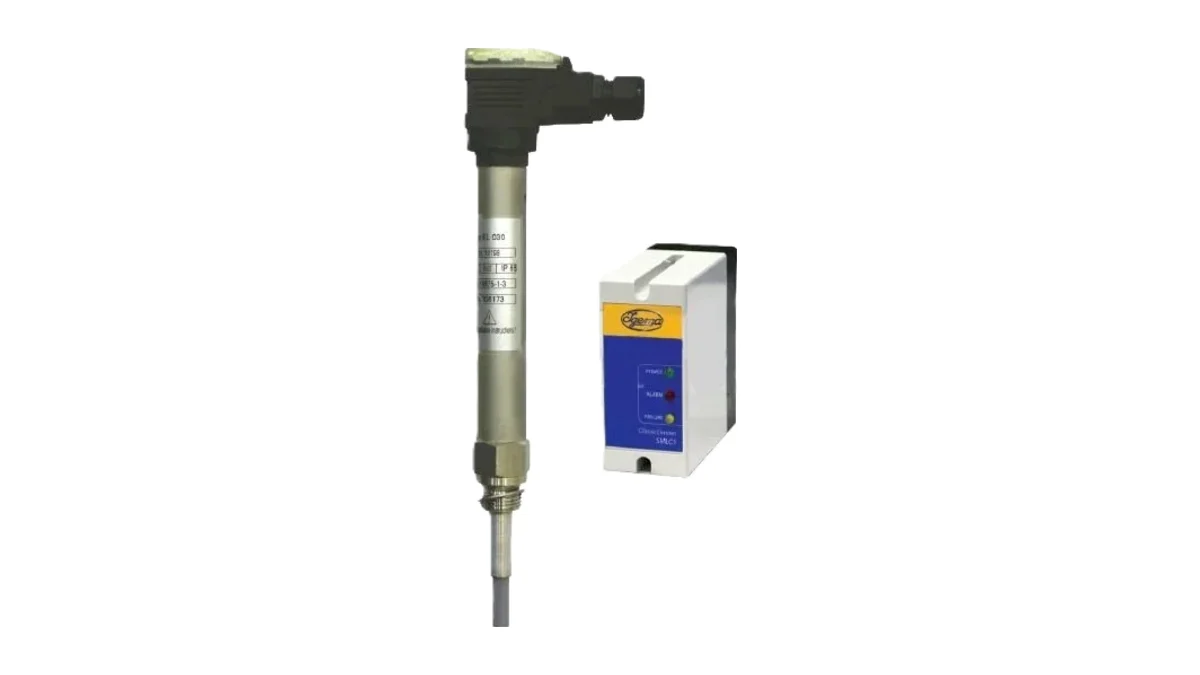
Keeping the water level of a steam boiler within safe limits is essential for both continuous operation and the safety of people and plant. If the water drops below the heating surfaces, the metal overheats quickly and is permanently damaged. A boiler low water level alarm switch is the basic safety device that detects this dangerous condition, raises an alarm and shuts the burner down safely.
This article covers how low water switches work, what makes self-monitoring models different, the risks of low water and what to watch for in operation.
What Is a Boiler Low Water Level Alarm Switch?
A low water switch is a level sensing device that changes a contact when the water in the boiler falls below a set minimum. This signal triggers the alarm and stops the burner via the boiler control circuit. When used as a safety limiter, it is usually wired so that the burner stays locked out until it is manually reset, even if the level recovers, so the boiler cannot restart before the cause has been investigated.
Working Principle
Two sensing methods are common:
- Float type: A float in a chamber connected to the boiler follows the water level. When the level drops, the float falls and actuates a micro switch or magnetic contact to give the alarm.
- Conductivity probe type: While the probe tip is immersed, a small current flows through the conductive boiler water between the probe and the boiler shell (or a reference probe). When the level falls below the tip, this current path is broken and the control relay signals an alarm.
What self-monitoring adds
A standard switch only watches the level; a fouled probe, a broken cable or a relay fault may go unnoticed. Self-monitoring models automatically and periodically test the probe, the connecting cable and their own internal circuits. If a fault is found during the test, the device goes to the safe state as if the water were low and raises an alarm. This adds an extra layer of safety, especially for boilers operated without continuous supervision.
Hazards of Low Water
- Overheating: Heating surfaces that are no longer water-cooled (furnace tube, smoke tubes) overheat quickly, deform or crack.
- Risk of explosion: An overheated, weakened boiler shell can fail suddenly under pressure, with serious consequences for people and property.
- Downtime: Boiler damage means long, costly repairs, loss of steam and lost production.
Benefits of Self-Monitoring Switches
- Reliable protection: Detects low water quickly and stops the burner.
- Detects its own faults: Periodic self-testing reports faults in the device itself as an alarm.
- Equipment protection: Protects the boiler against overheating damage.
- Personnel safety: Reduces the risk of boiler failure and explosion.
- Easy integration: Relay contacts connect easily to the boiler control panel and building or plant automation.
Selection and Technical Criteria
Clarify the following before choosing a switch:
| Criterion | Notes |
|---|---|
| Sensing method | Float or conductivity probe |
| Probe length | Set according to the minimum water level of the boiler |
| Operating pressure and temperature | Must suit the boiler design pressure and steam temperature |
| Supply voltage | Must match the control panel voltage |
| Output | Relay contacts for alarm and burner lockout |
| Self-test | Self-monitoring models are preferred for unattended operation |
Installation, Testing and Maintenance
- Fit the probe in a protection tube or at the connection point specified by the boiler manufacturer so it measures in a calm zone.
- Blow down float chambers and probe areas regularly to prevent sludge build-up.
- Test the low water function at the intervals given in the operating instructions by lowering the level in a controlled way.
- Clean probe tips periodically and check cables and terminals.
Applications
- Industrial steam boilers
- High-temperature and hot water boilers
- Power plants and process facilities
Frequently Asked Questions
Is a low water switch the same as a level controller?
No. A level controller operates the feed pump or valve to keep the normal level. A low water switch is an independent safety device: even if the control system fails, it raises an alarm and stops the burner when the level drops below the minimum.
Why choose a self-monitoring switch?
Because it periodically tests its own probe, cable and circuits. If a fault occurs, it goes to the safe state and raises an alarm instead of carrying on unnoticed.
Should water be added immediately after an alarm?
No. The surfaces may be overheated and a sudden flow of cold water can cause severe damage. Keep the burner off, let the boiler cool and remove the cause of the alarm first.
Conclusion
A boiler low water level alarm switch is one of the most important safety devices against overheating and explosion in steam boilers. Self-monitoring models go a step further by also detecting faults in the device itself. For level switches, probes and related equipment, see our Level Control Devices page.
Buy boiler level switches online
Browse products on or-fa.com, our export store, see prices in USD and order online.
Buy Online →Request a QuoteAsk on WhatsAppRelated product group
Level Control Devices →Technical support
Talk to our team to choose the right product.
+90 224 444 67 32[email protected]
Related Articles
Let’s choose the right product for your project
Buy from our online store or request a project-specific quotation.