
Industrial Piping Systems: Material Selection, Sizing and Applications
Pipelines are the arteries of a plant; the wrong material or an incorrect pipe size leads to energy losses, downtime and safety risks. Learn the basic rules of choosing the right pipe.
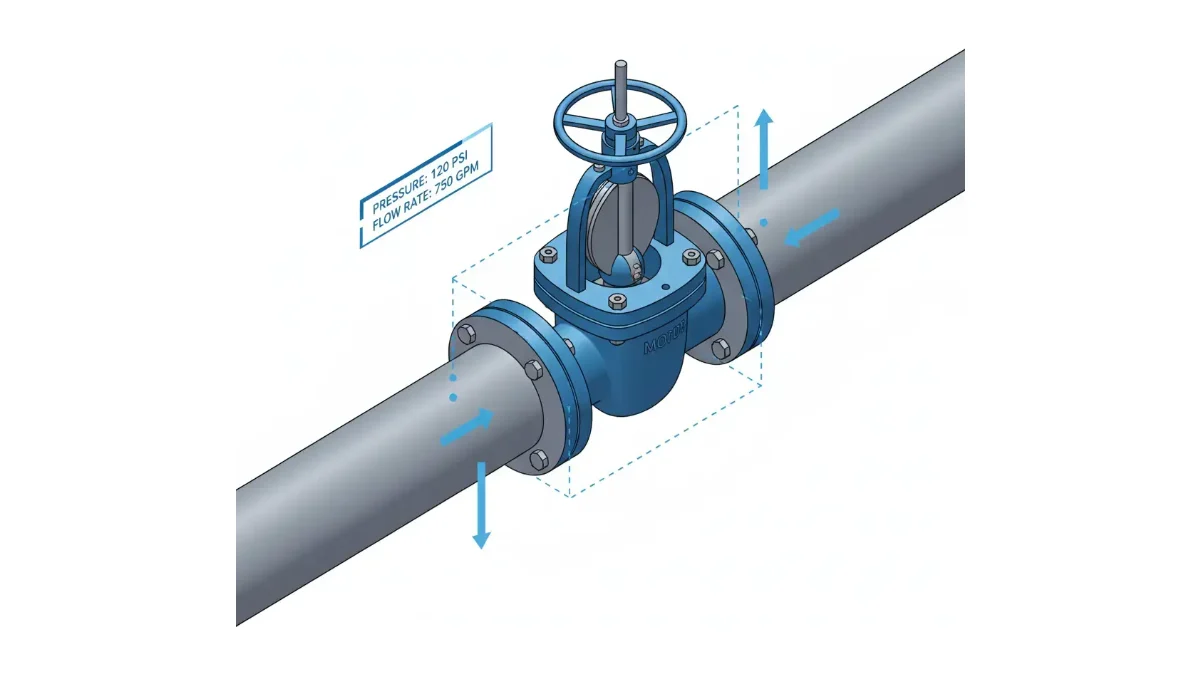
Often described as the “arteries” of an industrial plant, pipelines are one of the most critical factors in a facility’s service life and safety. In industrial piping systems, choosing the wrong material or sizing pipes incorrectly means not only energy losses but also downtime costs and safety risks.
Pipe selection means striking the right balance between pressure, temperature and flow dynamics. This guide covers material selection by medium, the importance of flow velocity in pipe sizing and the main applications of piping systems.
Which Medium, Which Pipe?
The right pipe material should be selected according to the nature of the medium (acidic, abrasive, hygienic), the operating temperature and the pressure.
| Material | Key feature | Typical applications |
|---|---|---|
| Carbon steel | High mechanical strength, suitable for high temperature and pressure | Steam and condensate lines, hot water, fire protection |
| Stainless steel | High corrosion resistance, hygienic and easy-to-clean surface | Food, pharmaceutical, chemical and aggressive media lines |
| PVC | Lightweight, corrosion resistant, easy to install | Cold water, wastewater and chemical dosing lines (low temperature) |
| PPRC | Leak-tight joints by heat fusion welding | Hot and cold domestic water systems in buildings |
High Temperature and Pressure: Carbon Steel
Thanks to their high mechanical strength, carbon steel pipes are the most common choice for steam lines and fire protection systems. Outdoors or in humid conditions, they should be protected against corrosion with a suitable coating or paint.
Corrosion and Hygiene: Stainless Steel
Stainless steel pipes greatly reduce the risk of corrosion in food, pharmaceutical and chemical lines and provide a hygienic internal surface. For chloride-containing media or special chemicals, selecting the right stainless grade (e.g. 304 or 316) is essential.
The Golden Rule of Engineering: Control the Flow Velocity
When sizing a pipe, hydraulic efficiency comes before cost. A pipe that is too small increases friction and pressure losses, raising pump energy consumption and causing wear and noise; an oversized pipe adds unnecessary capital cost.
Flow velocity is calculated from the flow rate and the pipe’s cross-sectional area:
- Cross-sectional area: A = π × d² / 4 (d: pipe internal diameter)
- Flow velocity: V = Q / A (Q: volumetric flow rate)
Because the area grows with the square of the internal diameter, velocity is inversely proportional to the square of the diameter: at the same flow rate, halving the internal diameter quadruples the velocity. For example, 10 m³/h of water flows at about 1.4 m/s through a pipe with a 50 mm internal diameter.
Nominal Size and Standards
Pipes are usually referred to by their DN (nominal diameter). DN is a designation of approximate size; the actual internal diameter depends on the pipe standard and wall thickness. For velocity and pressure loss calculations, always use the actual internal diameter. Industrial pipes are manufactured to standards such as EN, DIN and ASTM; when selecting pipe, check that the material, wall thickness and pressure rating comply with the relevant standard.
Industry Applications
- Energy: Cycle lines in thermal and geothermal power plants.
- Shipbuilding: Bilge, fuel and ballast systems.
- Food: Hygienic product transfer and CIP (clean-in-place) lines.
- Water treatment: Chemical dosing and wastewater discharge.
Frequently Asked Questions
How does flow velocity change if the pipe diameter is reduced?
Velocity is inversely proportional to the square of the internal diameter. At the same flow rate, halving the diameter quadruples the velocity, which significantly increases pressure loss, wear and noise.
Which pipe is used for steam lines?
Carbon steel pipes, which withstand high temperature and pressure, are widely used for steam lines. Stainless steel is preferred for clean steam applications that require hygiene.
Is the DN value the internal diameter of the pipe?
No. DN is the nominal diameter and expresses the approximate size of the pipe. The actual internal diameter varies with the standard and wall thickness.
Conclusion
A safe and efficient pipeline depends on choosing the right material for the medium, the correct size and products that comply with the relevant standards. At ORFA Endüstriyel Mamüller San. ve Tic. A.Ş., we help you identify the right piping solutions for your projects. For stainless steel and PVC pipe options, explore our Pipes product group.
Buy pipes online
Browse products on or-fa.com, our export store, see prices in USD and order online.
Buy Online →Request a QuoteAsk on WhatsAppRelated product group
Pipes →Technical support
Talk to our team to choose the right product.
+90 224 444 67 32[email protected]
Related Articles
Let’s choose the right product for your project
Buy from our online store or request a project-specific quotation.