
Boiler High Water Level Alarm Switch: Protection Against Wet Steam and Water Hammer
An excessively high water level in a boiler causes water to be carried over with the steam and water hammer in the lines. A high level alarm switch detects this early.
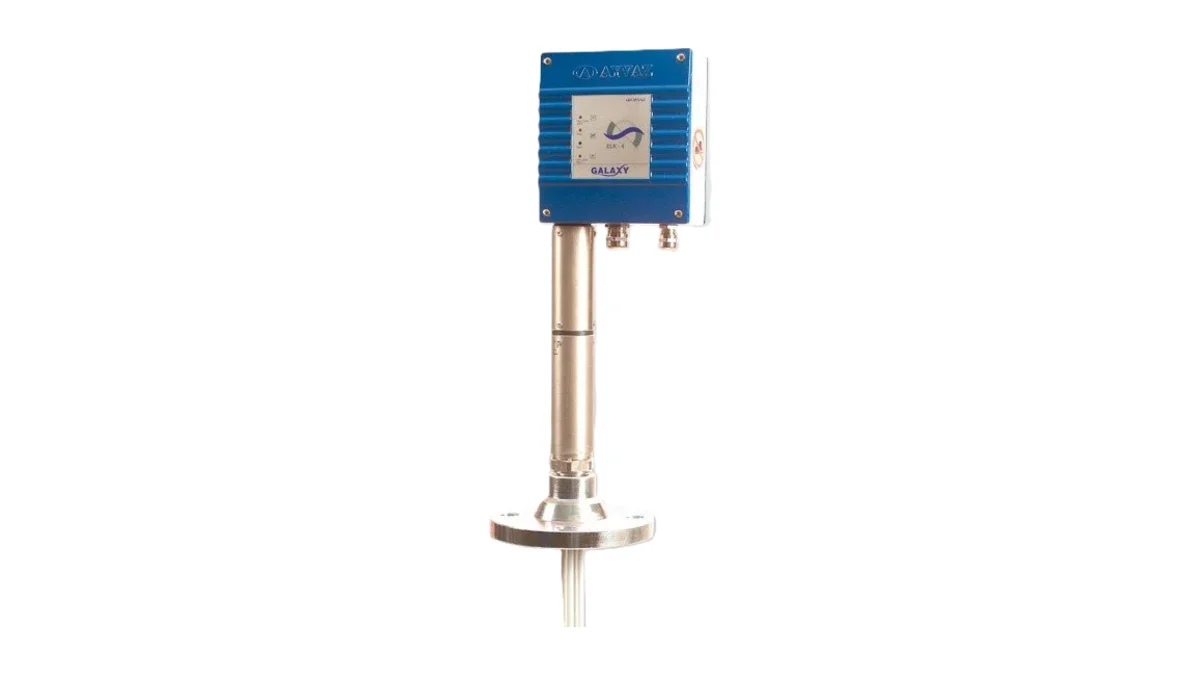
In a steam boiler, not only a falling but also an excessively high water level causes serious problems. As the level approaches the steam outlet, water mixes with the steam and is carried into the steam lines. A boiler high water level alarm switch is a level sensing device that raises an alarm, and usually stops the feed pump, when the water exceeds a set maximum.
This article explains how high level switches work, why excessive water level is dangerous and what to consider when selecting one.
What Is a Boiler High Water Level Alarm Switch?
A high level switch changes a contact when the boiler water reaches the highest permissible level. This contact triggers the alarm and stops the feed pump or closes the feed valve. It prevents the boiler from overfilling because of a fault in the level control system, such as a stuck valve, a faulty level probe or a wrong setting.
Working Principle
- Float type: A float in a chamber connected to the boiler rises with the water and actuates a switch at the set point.
- Conductivity probe type: The probe is cut to length so that its tip sits at the required maximum level. When the water rises and touches the tip, the circuit is completed through the conductive boiler water and the control relay gives an alarm.
- Differential pressure transmitter: Continuously monitors the level by measuring the hydrostatic pressure difference of the water column and gives an alarm output when the level exceeds the set point. This method is generally used on larger boilers where continuous level measurement is required.
Risks of an Excessively High Water Level
- Poor steam quality: Water droplets are carried over with the steam, making it wet and reducing heat transfer efficiency.
- Contaminated steam: Carried-over boiler water brings dissolved salts and treatment chemicals with it, leaving deposits on heat exchanger surfaces and valves.
- Water hammer: Water accumulating in steam lines can be picked up by high-velocity steam and cause violent water hammer, damaging pipes, valves and fittings and creating a safety hazard.
- Equipment damage: Wet steam causes erosion and corrosion in control valves, steam traps and turbines.
- Production losses: Product quality may suffer in processes sensitive to steam quality.
Benefits
- Reliable protection: Detects excessive water level early and stops the feed.
- Equipment protection: Protects the steam main, valves and consumers from the effects of carryover.
- Steam quality: Helps produce dry, clean steam.
- Safe workplace: Reduces the risk of damage and accidents due to water hammer.
- Easy integration: Relay outputs connect easily to the boiler control panel.
Selection Criteria
| Criterion | Notes |
|---|---|
| Sensing method | Float, conductivity probe or differential pressure transmitter |
| Probe length | Set according to the maximum permissible level in the boiler |
| Pressure and temperature | Must suit the boiler design pressure and saturated steam temperature |
| Electrical data | Supply voltage must match the panel |
| Output | Relay contact for alarm and pump stop |
Applications
- Industrial steam boilers
- Power plants
- Process industries (food, textiles, chemicals, etc.)
Frequently Asked Questions
Can a high water level make a boiler explode?
The real danger of high water is not a rise in boiler pressure but water being carried over into the lines with the steam. This leads to wet steam, water hammer and equipment damage; water hammer can seriously damage pipes and valves and cause accidents.
What does a high level switch do?
When the water exceeds the maximum level, it raises an alarm and, via the control circuit, stops the feed pump or closes the feed valve.
Can foaming trigger a high level alarm?
Yes. Foam formed when boiler water conductivity is high can make the level read higher than it is and cause carryover. That is why conductivity should be kept under control with surface blowdown.
Conclusion
A boiler high water level alarm switch protects steam quality and prevents water hammer and equipment damage caused by carryover. Used together with low water safety devices, it ensures the boiler water level is monitored safely in both directions. See our Level Control Devices page for product options.
Buy boiler level switches online
Browse products on or-fa.com, our export store, see prices in USD and order online.
Buy Online →Request a QuoteAsk on WhatsAppRelated product group
Level Control Devices →Technical support
Talk to our team to choose the right product.
+90 224 444 67 32[email protected]
Related Articles
Let’s choose the right product for your project
Buy from our online store or request a project-specific quotation.