
ARI-ZESA Wafer Butterfly Valve: Features, Materials and Applications
Learn about the design, material and liner options, technical data and typical applications of the centric-disc ARI-ZESA wafer type butterfly valve.
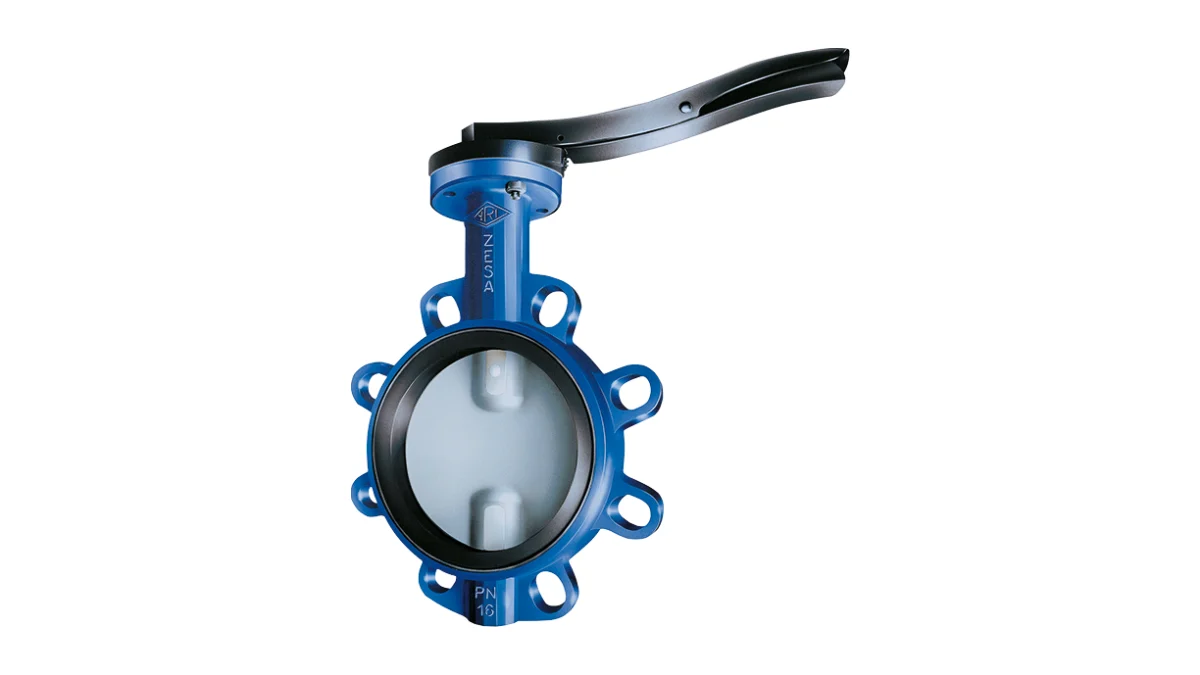
Reliable on/off control of liquids and gases is essential for production continuity and installation safety in industrial plants. With their compact size, low weight and easy installation, butterfly valves are among the most widely used valve types for this task. The ARI-ZESA wafer butterfly valve, with its centric disc design and choice of liner materials, suits a broad range of applications from HVAC systems to process water.
This article explains the design of the ARI-ZESA butterfly valve, its material and liner options, its technical data and the points to consider when selecting one.
What Is the ARI-ZESA Wafer Butterfly Valve?
ARI-ZESA is a butterfly valve with a centric (concentric) disc. The disc is mounted on a shaft running through the centre of the body and opens or closes the flow with a quarter turn (90°). Tight shut-off is achieved by the contact between the disc and the elastomer liner that lines the body.
“Wafer” means the valve is clamped between two pipe flanges by the flange bolts. The valve has no flanges of its own, which makes it shorter, lighter and more economical than flanged valves.
Key Advantages
- Compact design: The short face-to-face length makes it easy to install in tight spaces.
- Reliable sealing: The centric disc and elastomer liner provide tight shut-off in the closed position.
- Low pressure loss: When fully open, the disc lies parallel to the flow and offers little resistance.
- Wide choice of liners: EPDM, NBR and FPM liners cover different media and temperatures.
- Ready for automation: Besides hand lever and gearbox, it can be fitted with pneumatic or electric actuators and integrated into control systems.
Technical Data
The values below show typical options for the ARI-ZESA wafer butterfly valve series. Exact values depend on model, size and liner material and should be confirmed against the product datasheet before selection.
| Feature | Options |
|---|---|
| Body material | Ductile iron (EN-JS1030) |
| Disc material | Stainless steel (1.4581) or coated ductile iron (EN-JS1030) |
| Liner material | EPDM, NBR, FPM |
| Connection | Wafer (between flanges) |
| Nominal size | DN25 – DN600 |
| Pressure rating | PN6, PN10, PN16 (shut-off pressure: DN25–DN150 16 bar, DN200–DN600 10 bar) |
| Operation | Hand lever, gearbox, pneumatic actuator, electric actuator |
Temperature Ranges by Liner Material
| Liner | Approx. temperature range | Typical use |
|---|---|---|
| EPDM | -10 … +130 °C | Water, hot water, HVAC circuits |
| NBR | -10 … +80 °C | Oil-bearing media, compressed air |
| FPM | 0 … +150 °C | Higher temperatures and some chemical media |
Applications
- HVAC systems (heating, ventilation, air conditioning and cooling circuits)
- Compressed air lines
- General water installations
- Food processing plants
- Paper mills
Selection and Installation Notes
- Correct liner: Choose the liner material to suit the medium and operating temperature.
- Pressure rating: The valve PN rating must match the line operating pressure and the rating of the mating flanges.
- End-of-line service: A wafer valve is held by clamping between flanges; for dead-end service at the end of a line, use a lug type butterfly valve.
- Operator type: For larger sizes or frequent operation, a gearbox or actuator makes operation easier.
- Installation: Align the valve and flanges on the same axis so the disc does not strike the pipe or flange bore when opening.
Frequently Asked Questions
What is the difference between wafer and lug butterfly valves?
A wafer valve is clamped between two flanges with the bolts passing outside the body. A lug valve has threaded lugs on the body, so it can be used at the end of a line or with the downstream side removed.
Which liner should I choose for an ARI-ZESA butterfly valve?
EPDM is usually chosen for water and HVAC circuits, NBR for oil-bearing media and compressed air, and FPM for higher temperatures or certain chemicals. The final choice depends on the medium and temperature.
Can the ARI-ZESA butterfly valve be automated?
Yes. In addition to hand lever and gearbox versions, it can be supplied with pneumatic or electric actuators and integrated into automation systems.
Conclusion
ARI-ZESA wafer butterfly valves offer reliable shut-off for water, air and HVAC installations thanks to their compact design, liner options and suitability for automation. Selecting the right liner, pressure rating and operator is the key to long service life. You can explore the different types and operator options in our butterfly valves product group and contact the ORFA technical team for help choosing the right model.
Buy wafer butterfly valves online
Browse products on or-fa.com, our export store, see prices in USD and order online.
Buy Online →Request a QuoteAsk on WhatsAppRelated product group
Butterfly Valves →Technical support
Talk to our team to choose the right product.
+90 224 444 67 32[email protected]
Related Articles
Let’s choose the right product for your project
Buy from our online store or request a project-specific quotation.