
High Pressure and High Temperature Valves: Material and Rating Selection
Learn how pressure class changes with temperature, which body material to choose and which seat and packing options suit superheated steam and thermal oil lines.
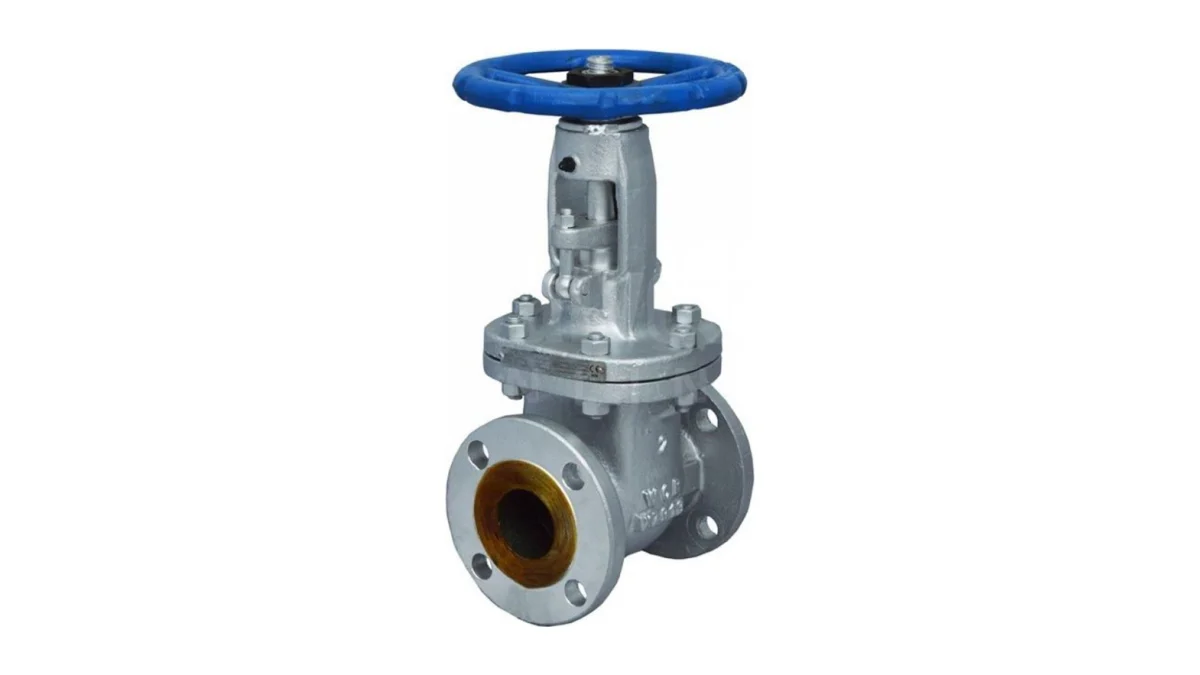
On superheated steam, thermal oil or high pressure process lines, a valve failure means not only lost production but a serious safety hazard. When selecting high pressure and high temperature valves, the body material, pressure-temperature rating, seat (trim) and packing design must be specified as carefully as the valve type itself.
This article explains which criteria to check when choosing valves for severe service, how the pressure rating changes with temperature and which valve type is used for which duty.
Evaluate Pressure Class Together with Temperature
A valve’s pressure class (ASME Class or PN) reflects its strength at ambient temperature. As temperature rises, material strength falls and so does the pressure the valve can safely carry. According to ASME B16.34, the allowable working pressures for carbon steel bodies (A105 forged / WCB cast, material group 1.1) are:
| Temperature | Class 150 | Class 300 |
|---|---|---|
| Up to 38 °C | 19.6 bar | 51.1 bar |
| 200 °C | 13.8 bar | 43.8 bar |
| 300 °C | 10.2 bar | 39.8 bar |
| 400 °C | 6.5 bar | 34.7 bar |
| 425 °C | 5.5 bar | 28.8 bar |
For example, on a line carrying 10 bar saturated steam (about 184 °C) a Class 150 carbon steel body is sufficient in terms of pressure, but with superheated steam above 300 °C the same pressure requires Class 300.
Material Selection
- Carbon steel (WCB cast, A105 forged): The standard choice for steam, thermal oil and general process lines. Carbon steel is not recommended for prolonged service above about 425 °C.
- Chromium-molybdenum alloy steels (WC6/F11, WC9/F22): For superheated steam and power plant lines at higher temperatures.
- Stainless steel (CF8M / F316): For corrosive media, food and chemical processes and low-temperature service.
- Ductile iron: Used on steam and thermal oil lines at moderate pressure and temperature, within the limits of the material.
Seat, Trim and Packing
- Stellite hard-faced seat and disc: Resists erosion and wear at high temperature and high flow velocity.
- Soft seats (PTFE etc.): Excellent tightness, but the temperature limit is set by the seat material; metal-seated designs are needed at high temperatures.
- Graphite packing: Widely used for stem sealing at high temperatures.
- Bellows seal design: On thermal oil and steam lines a metal bellows replaces or backs up the packing to prevent stem leakage.
Valve Types by Duty
| Valve type | Duty | Note |
|---|---|---|
| Gate valve | Full on-off isolation | Low pressure loss; not for throttling |
| Globe valve | Flow regulation, frequent operation | Common on steam and thermal oil lines |
| Ball valve | Fast, tight shut-off | Metal-seated type at high temperatures |
| Check valve | Backflow prevention | Swing, lift or dual plate |
| Butterfly valve | Compact isolation in large sizes | Eccentric metal-seated at high temperatures |
| Control valves | Automatic flow, pressure and temperature control | With actuator and positioner |
Applications
- Boiler rooms, main steam and superheated steam lines
- Thermal oil heating systems
- Power and cogeneration plants
- Petrochemical, refinery and chemical plants
Frequently Asked Questions
Can a Class 150 valve be used at 19.6 bar at any temperature?
No. For a carbon steel Class 150 valve the allowable pressure is 19.6 bar at 38 °C but falls to 13.8 bar at 200 °C and 5.5 bar at 425 °C. Selection must always be based on the value at the operating temperature.
Which valve is preferred on a thermal oil line?
Bellows-sealed globe valves with cast steel or suitable ductile iron bodies are generally preferred. The bellows prevents leakage along the stem, reducing fire and environmental risk.
Can a soft-seated ball valve be used on a steam line?
Only if the temperature limit of the seat material covers the operating temperature. At higher temperatures, choose a metal-seated ball valve or a globe valve.
Conclusion
The key to safe selection of high pressure and temperature valves is to evaluate the pressure class together with the operating temperature, choose the body material for temperature and medium, and specify suitable seat and packing designs. Explore gate, globe, ball, butterfly and check valve options in our High Pressure and High Temperature Valves product group.
Buy high pressure and temperature valves online
Browse products on or-fa.com, our export store, see prices in USD and order online.
Buy Online →Request a QuoteAsk on WhatsAppRelated product group
High Pressure and High Temperature Valves →Technical support
Talk to our team to choose the right product.
+90 224 444 67 32[email protected]
Related Articles
Let’s choose the right product for your project
Buy from our online store or request a project-specific quotation.