
How to Choose the Right Pump: Key Criteria for Plant Efficiency
A wrongly sized pump increases energy bills and causes frequent failures. Here are the essential steps for choosing the right pump based on flow rate, head, NPSH and fluid properties.
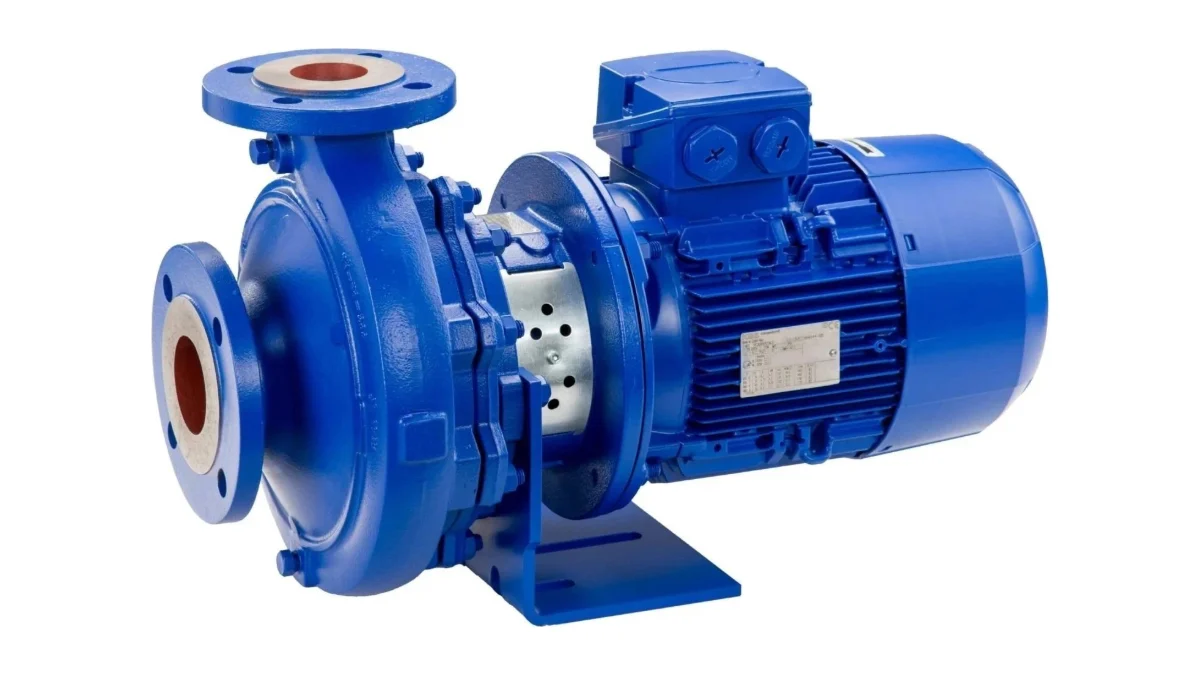
Smooth and efficient industrial processes depend heavily on correct pump selection. An oversized pump wastes energy and runs in an inefficient zone, while an undersized pump cannot deliver the flow and pressure the process needs. Either way, operating costs rise, maintenance becomes more frequent and equipment life is shortened.
In this guide you will find the technical parameters that must be evaluated when selecting a pump, as well as the most common mistakes.
Critical Parameters in Pump Selection
Pump performance is not determined by flow and pressure alone. The following values should be considered together in the engineering calculation:
- Flow rate (Q): the flow the system requires (m³/h), including any planned capacity increases.
- Head (H): the sum of static height difference, friction losses in pipes and fittings, and the required discharge pressure.
- Fluid characteristics: temperature, viscosity, density, solids content and abrasiveness.
- System curve: how pipeline friction losses change with flow; it defines the pump’s operating point.
- NPSH: the NPSH available on the suction side must exceed the NPSH required by the pump with a sufficient margin; otherwise cavitation occurs.
- Material compatibility: chemical resistance of the casing, impeller and seals to the pumped fluid.
Operating Point and Efficiency
The intersection of the pump curve and the system curve is the pump’s actual operating point. Ideally this point should be as close as possible to the pump’s best efficiency point (BEP). Pumps operating far from their efficient zone suffer more vibration, seal and bearing failures, and consume more energy.
Pump Type by Application
- Centrifugal pumps: transfer, circulation and pressure boosting of clean, low-viscosity liquids.
- Vertical and horizontal multistage pumps: booster sets, boiler feed and washing systems that need high pressure.
- Submersible pumps: wells, drainage and wastewater applications.
- Chemical pumps: safe transfer of acids, alkalis and aggressive liquids.
- Circulation pumps: continuous circulation in heating and cooling circuits.
Common Mistakes
- Oversizing the pump “just to be safe”.
- Ignoring suction line losses and NPSH.
- Selecting materials without considering fluid temperature and chemistry.
- Looking only at purchase price and overlooking energy and maintenance costs.
Frequently Asked Questions
What information is needed to select a pump?
Required flow rate, total head, type and temperature of the fluid, suction conditions and power supply details are the basic data for correct selection.
What is cavitation and how can it be prevented?
Cavitation is the collapse of vapor bubbles on the impeller, formed when suction pressure drops below the fluid’s vapor pressure. Increasing the available NPSH (reducing suction losses or suction lift) prevents it.
Is it safe to choose a bigger pump?
No. An oversized pump runs in an inefficient zone, increasing energy consumption and failure risk. Correct sizing is always more economical.
Conclusion
Choosing the right pump requires evaluating flow, head, NPSH, fluid and material data together. Explore our pump product groups or ask our technical team for product selection support to find the best pump for your application.
Buy pumps online
Browse products on or-fa.com, our export store, see prices in USD and order online.
Buy Online →Request a QuoteAsk on WhatsAppRelated product group
Pumps and Systems →Technical support
Talk to our team to choose the right product.
+90 224 444 67 32[email protected]
Related Articles
Let’s choose the right product for your project
Buy from our online store or request a project-specific quotation.