
Plastic Submersible Pump: A Light and Economical Drainage Solution
We explain how plastic-bodied submersible drainage pumps for basements, construction sites and standing water work, their benefits and the right operating conditions.
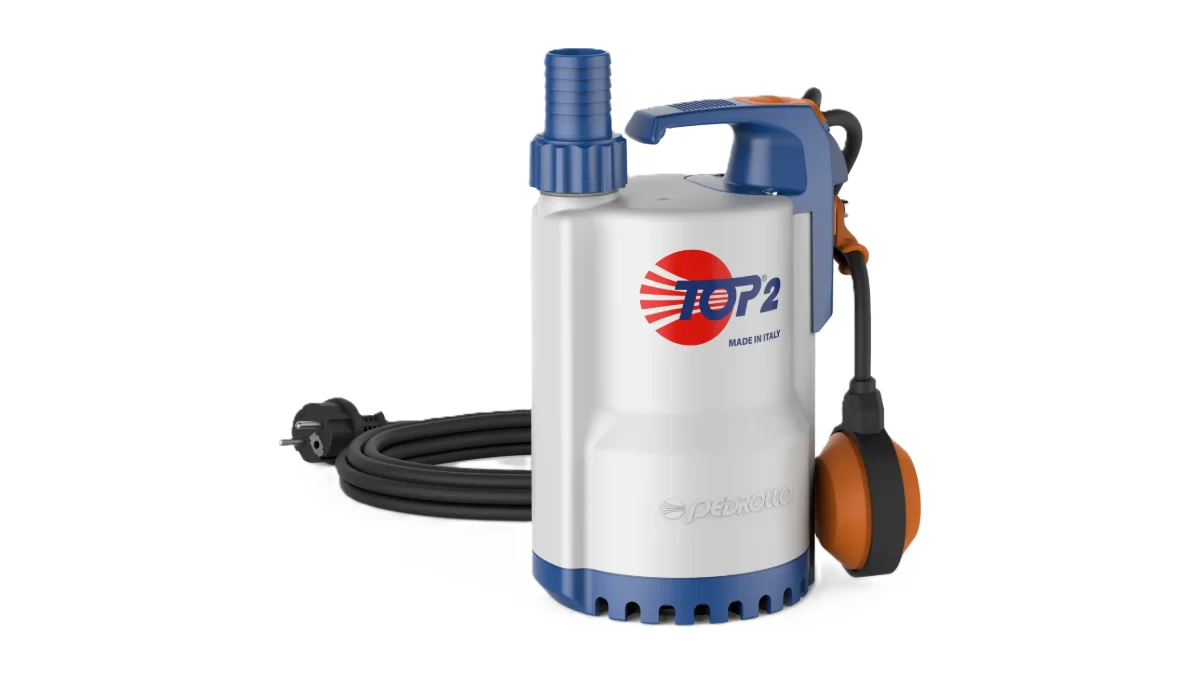
A flooded basement, a pit filled after rain or a pool that needs emptying: removing water is a frequent need in homes and workplaces alike. A plastic submersible pump is a light, economical and easy-to-use solution for such jobs. These drainage pumps with a plastic body are designed for clean and slightly dirty water.
This article explains how plastic submersible pumps work, their benefits, applications and limits.
What Is a Plastic Submersible Pump?
A plastic submersible pump is a drainage pump in which a watertight sealed electric motor and the pump section form a single unit that operates immersed in the water to be removed. The plastic outer body makes the pump light and eliminates corrosion problems.
Working Principle
- Immersion: The pump is placed in the water, preferably on a firm, level surface.
- Motor operation: The electric motor drives the impeller.
- Suction and discharge: Water enters through the screened inlet at the bottom of the pump and is pushed by the impeller to the discharge outlet.
- Drainage: The water is carried by a hose or pipe to the discharge point.
Because the pump sits in the water, there is no suction lift problem and no priming is needed; the motor is also cooled by the surrounding water.
Benefits
- Light weight: The plastic body is lighter than metal-bodied pumps, making it easy to carry and install.
- Economical: Usually more affordable than metal-bodied drainage pumps.
- Easy to use: No separate pump room or suction line is needed.
- Automatic operation: A float switch starts the pump when the water level rises and stops it when the level falls.
- Corrosion resistance: The plastic outer body does not rust.
Applications
- Removing standing water
- Draining clean or slightly dirty water on construction sites
- Emptying flooded basements
- Emptying swimming and ornamental pools
- Garden irrigation from rainwater tanks
- General drainage applications
Selection Checklist
- Required flow and total head up to the discharge point
- Particle size in the water (maximum free passage in the data sheet)
- Water temperature (plastic-bodied pumps are not suitable for hot water)
- Outlet size and the hose to be used
- Whether a model with a float switch is needed for automatic operation
Frequently Asked Questions
What is the difference between a plastic submersible pump and a sewage pump?
Plastic submersible drainage pumps are designed for clean and slightly dirty water. Sewage pumps, with large free-passage impellers or cutter blades, are suitable for sewage and water containing solids.
What does the float switch do?
The float switch starts the pump automatically when the water level rises and stops it when the level falls. No constant supervision is needed and the pump is protected against dry running.
Can a plastic submersible pump be used to empty a pool?
Yes. Since it is clean water, emptying pools is one of the most common uses of plastic submersible pumps.
Conclusion
Plastic submersible pumps are a practical, light and economical solution for draining clean and slightly dirty water. Selected according to water content, required head and the need for automatic operation, they provide reliable service. See our submersible pumps page for other models, or ask the ORFA sales team for advice on your application.
Buy plastic drainage pumps online
Browse products on or-fa.com, our export store, see prices in USD and order online.
Buy Online →Request a QuoteAsk on WhatsAppRelated product group
Submersible Pumps →Technical support
Talk to our team to choose the right product.
+90 224 444 67 32[email protected]
Related Articles
Let’s choose the right product for your project
Buy from our online store or request a project-specific quotation.